Regenerative medicine is not one treatment — it is a way of thinking about healing. Instead of only suppressing symptoms, it asks a different question: how do we support the body's own repair process?
Regenerative medicine is the concept of healing your body rather than only managing its symptoms. Where a steroid quiets a signal, regenerative approaches are aimed at supporting the tissue itself — the tendon, the ligament, the joint, the connective structure that is struggling.
The most common thread among people who benefit is this: their body has stalled. They got hurt, and they did not heal the way they expected — or they never quite got back to baseline. That plateau is where regenerative care is most often considered.
If an injury stalled — never fully healed, still sensitive, still not right — that is the kind of situation where a regenerative approach is worth evaluating.
This is where regenerative care is used most, and where the most experience exists. Broadly, it involves muscles and the skeletal system — the structures that let you move.
One of the most common reasons people seek regenerative care — from age-related wear to old injuries that never settled.
A stubborn tendon problem that frequently lingers for months, often without an obvious moment of injury.
The inner-elbow counterpart to tennis elbow — same theme of an irritated tendon that has stalled in healing.
Degenerative joint changes where the goal is supporting comfort and function as the joint structure ages.
Shoulder injuries that limit reaching, lifting, or sleeping comfortably are a frequent area of focus.
Perhaps the clearest category: injuries that happened, were treated, and simply never fully healed.
Regenerative concepts also extend into aesthetics — particularly where supporting the skin's own structure is the goal rather than simply filling or freezing. Whether any approach is appropriate for you is always determined during a consultation rather than assumed.
It is worth being clear, because this field is full of hype. Regenerative medicine is not a guarantee. It is not a miracle cure. And it is not right for everyone or every condition.
For some people and some problems, a different approach — physical therapy, load management, lifestyle changes, or in certain cases surgery — will be the better path. Honest evaluation means being willing to say "this is not the right tool for you," and I would rather tell you that than sell you something that is unlikely to help.
Every regenerative option begins with a consultation. We review your history, examine the involved area, and talk through what you are hoping to achieve. From there we can decide together whether a regenerative approach makes sense — and if so, which one.
Regenerative care also tends to work best when it is part of a bigger plan — alongside lifestyle, movement, and longevity medicine — rather than in isolation.
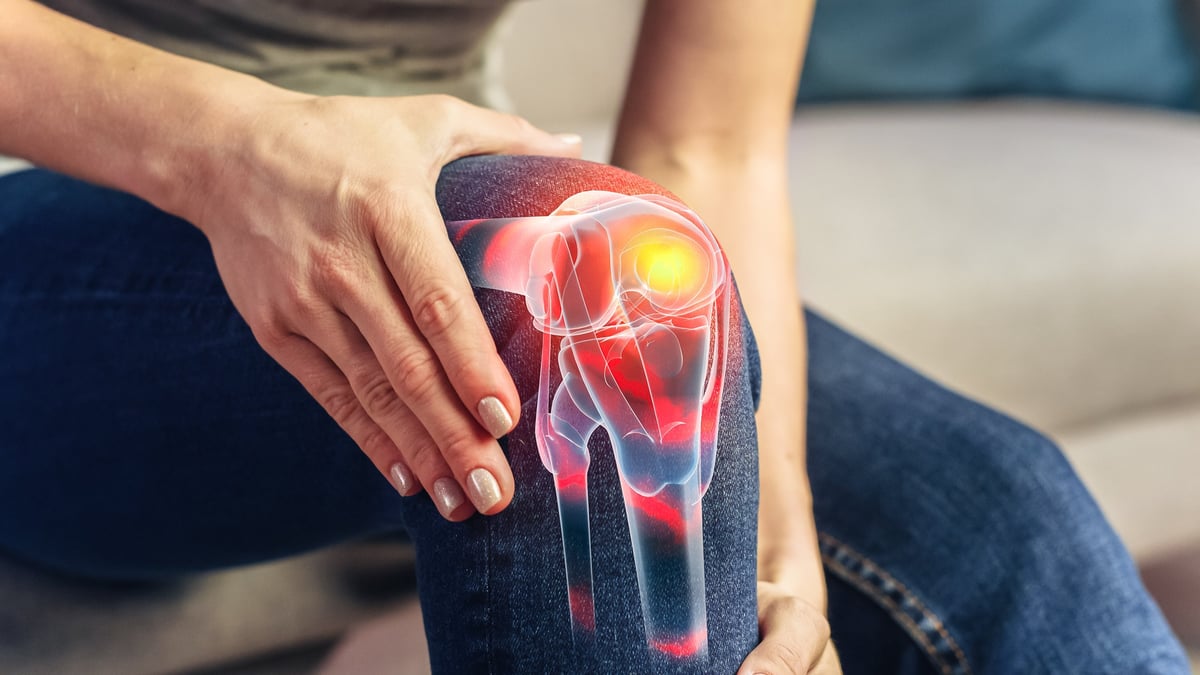
If something never quite healed the way you expected, a consultation is the right first step. We will examine the area, review your history, and tell you honestly whether a regenerative approach is appropriate.
This article is for educational purposes only and is not medical advice. Individual results vary. Services are not intended to diagnose, treat, cure, or prevent disease. A consultation is required to determine the appropriateness of any treatment.